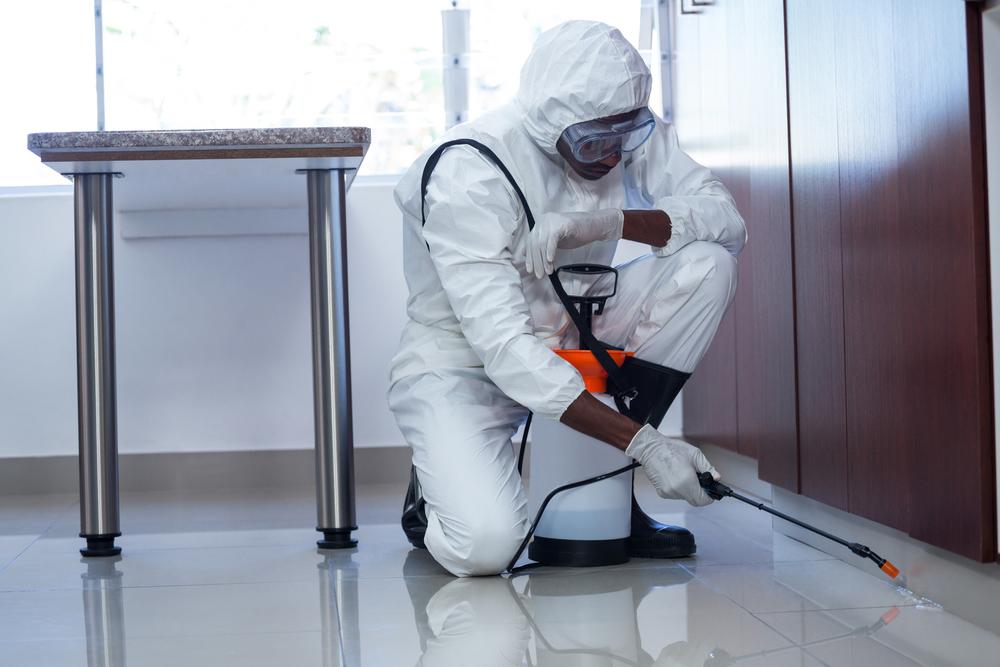
Is fumigation 100% effective?


Is Fumigation 100% Effective?

Fumigation is one of the most effective pest control methods for eliminating pests like termites, bedbugs, and other hard-to-reach infestations. When performed by professionals, it can achieve close to 100% effectiveness. However, its success depends on several factors:

  1. Proper Execution: Fumigation must be carried out by licensed pest control experts who ensure thorough treatment of the affected area.

  2. Sealing and Preparation: The targeted space must be properly sealed to allow the fumigant to penetrate all areas and eliminate pests.

  3. Post-Treatment Measures: Following fumigation, preventive actions like sealing cracks, maintaining cleanliness, and regular inspections are necessary to avoid reinfestation.

While fumigation kills pests in all stages of life, it doesn’t prevent new pests from entering your property. For long-term results, professional pest control services like Hite Pest Control recommend combining fumigation with ongoing pest management plans.

Trust Hite Pest Control for expert fumigation services, ensuring a safe and pest-free environment for your home or business. Stay protected with our reliable and comprehensive pest solutions!

https://pestcontrolkarachi.com/fumigation-services-in-dha-karachi/


Comments

Popular posts from this blog

Affordable Water tank cleaning service

  Importance of pure water  As is common knowledge, water is essential to all living things, is regarded as the emblem of life, and is necessary for maintaining good hygiene. Keeping all of this in mind, you can see that while the water must be clear and clean, the location where the water is kept also needs to be clean. This is because, when it comes to the water we store, we frequently make mistakes that result in the location needing to be clearer and cleaner or adhering to hygienic regulations. Therefore, we must recognize this and demonstrate effective performance to address it. To live a disease-free life since contaminated water can lead to the spread of many illnesses, including cholera, dysentery, diarrhea, hepatitis A, typhoid, and polio. Insufficient and lacking for us. How to clean the water tank?  Here's a summary of an easy at-home water tank cleaning procedure: Before starting: First and foremost, safety! Put on a mask, gloves, and safety glasses to keep yo...

❓ What's the Difference Between Pre-Construction and Post-Construction Termite Treatment?

The main difference between pre-construction and post-construction termite treatment lies in when the anti-termite chemicals are applied — either before or after a building is constructed. Pre-construction termite treatment is done during the building phase, before the structure is fully built. It involves treating the soil beneath the foundation, plinth, and surrounding areas with termiticides to create a chemical barrier that prevents termites from entering the building from below. This method is highly effective and offers long-term protection because the treatment penetrates deep into the ground where termite colonies begin. On the other hand, post-construction termite treatment is performed after the building is completed, often when signs of termite infestation are already present. It involves drilling holes in floors and walls, injecting termiticide solutions, and treating wood, walls, and the foundation to eliminate existing termites and block their re-entry. Both methods are ...

🧼 What is Included in a Professional Water Tank Cleaning Service?

  A professional water tank cleaning service goes far beyond just rinsing your tank. It is a multi-step, deep cleaning process that ensures your drinking water remains clean, safe, and hygienic. At Pest Control Karachi , we follow an advanced procedure that targets bacteria, mud, algae, fungus, bad odor, and contaminants commonly found in both overhead and underground tanks. The process begins with a complete inspection of your tank to check for visible buildup, foul smell, or signs of algae. Once the tank is inspected, all existing water is drained safely using specialized equipment. After that, we remove sludge, sand, and dirt manually from the tank’s floor and walls, especially from hard-to-reach corners where bacteria often hide. Next, we perform high-pressure power washing using clean water to scrub off stains, algae, and chemical buildup. This step is crucial for removing the internal layer of residue that normal cleaning can’t handle. Once the tank is physically clean, we a...