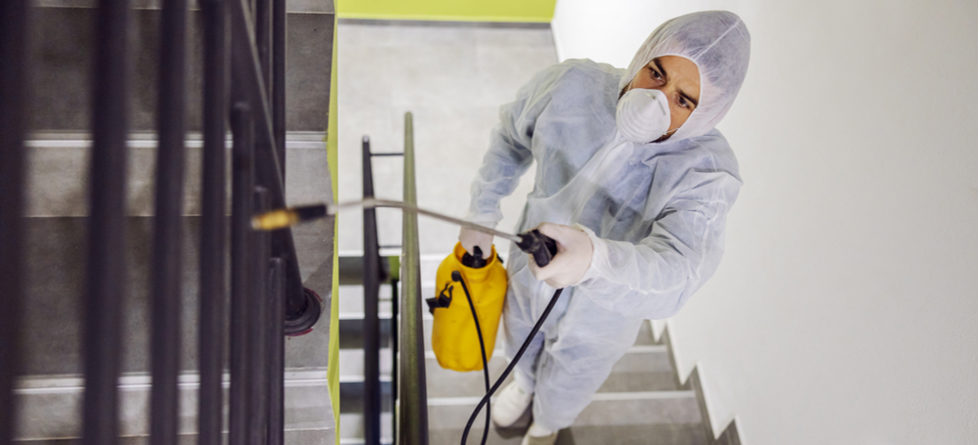
WHAT PESTS CAN BE PREVENTED THROUGH FUMIGATION?


Targeting a variety of pests, fumigation is an extremely effective pest management technique that guarantees total eradication and long-term protection. Termites, bed bug

s, cockroaches, ants, and pests of stored products like beetles and weevils are among the common pests that can be avoided via fumigation. This approach is a flexible solution for commercial, industrial, and residential settings since it also gets rid of fleas, spiders, and rodents.


Termites are especially damaging; if they are not controlled, they can cause structural damage to buildings. Fumigation kills termites at every stage of development by penetrating deeply into wooden structures. Because fumigation reaches the hidden cracks where bed bugs hide, it successfully controls these pests, which are noted for their persistence and quick reproduction.This method can also be used to get rid of cockroaches and ants, which contaminate food and spread illnesses. To safeguard commodities and avoid financial losses, stored product pests—which are frequently found in warehouses and food storage areas—are removed.


Professional pest control services evaluate the infestation and tailor the fumigation procedure to guarantee the greatest outcomes. Frequent fumigation treatments keep an area free of pests and help stop re infestations. Choose professional fumigation services right now to safeguard your health and property!

https://pestcontrolkarachi.com/fumigation-services-in-dha-karachi/


Comments

Popular posts from this blog

๐Ÿชณ Effective Cockroach Pest Control Tips

  ๐Ÿชณ Effective Cockroach Pest Control Tips Cockroaches are not only unpleasant but also carry bacteria and allergens. Here's how to get rid of them effectively: ๐Ÿงผ 1. Keep Your Home Clean Wipe kitchen counters and floors daily. Store food in sealed containers. Wash dishes promptly and don’t leave pet food out overnight. Take out the trash regularly and keep bins sealed. ๐Ÿ’ง 2. Eliminate Water Sources Fix leaky taps and pipes. Dry sinks, bathtubs, and other wet areas at night. Don’t leave water in pet bowls overnight. ๐Ÿšช 3. Seal Entry Points Block cracks, holes, and crevices with caulk. Install weather stripping and door sweeps. Cover drains and vents with mesh screens. ๐Ÿฝ️ 4. Use Baits and Traps Place gel baits and bait stations in areas where cockroaches hide (under sinks, behind fridges, near stoves). Use sticky traps to monitor activity. ๐Ÿงช 5. Apply Natural Deterrents Sprinkle boric acid or food-grade diatomaceous earth in hidden areas to kill roaches over time. ⚠️ 6. Use Sprays ...

Clean Water. Healthy Life – Book Your Underground Tank Cleaning Today!

When was the last time you cleaned your underground water tank? Most people don’t realize it, but underground water tanks can become breeding grounds for harmful bacteria, algae, and insects. These contaminants silently mix into your water supply — affecting everything from your drinking water to the water used for cooking, bathing, and cleaning. Over time, sludge builds up, foul odors begin to spread, and water safety becomes a serious concern. Even if the water looks clear, it can still contain invisible germs that pose health risks. That’s why regular water tank cleaning is not just a chore — it’s a necessity. ๐Ÿ›ก Why Tank Cleaning is Essential: Removes harmful bacteria and sludge Prevents bad smells and water discoloration Keeps your family safe from waterborne diseases Ensures your water is fresh, clean, and hygienic ๐Ÿ’ง Professional Water Tank Cleaning in Karachi Looking for a reliable service in Karachi? Our team uses modern, chemical-free methods that are safe for drinking water ...

❓ What's the Difference Between Pre-Construction and Post-Construction Termite Treatment?

The main difference between pre-construction and post-construction termite treatment lies in when the anti-termite chemicals are applied — either before or after a building is constructed. Pre-construction termite treatment is done during the building phase, before the structure is fully built. It involves treating the soil beneath the foundation, plinth, and surrounding areas with termiticides to create a chemical barrier that prevents termites from entering the building from below. This method is highly effective and offers long-term protection because the treatment penetrates deep into the ground where termite colonies begin. On the other hand, post-construction termite treatment is performed after the building is completed, often when signs of termite infestation are already present. It involves drilling holes in floors and walls, injecting termiticide solutions, and treating wood, walls, and the foundation to eliminate existing termites and block their re-entry. Both methods are ...