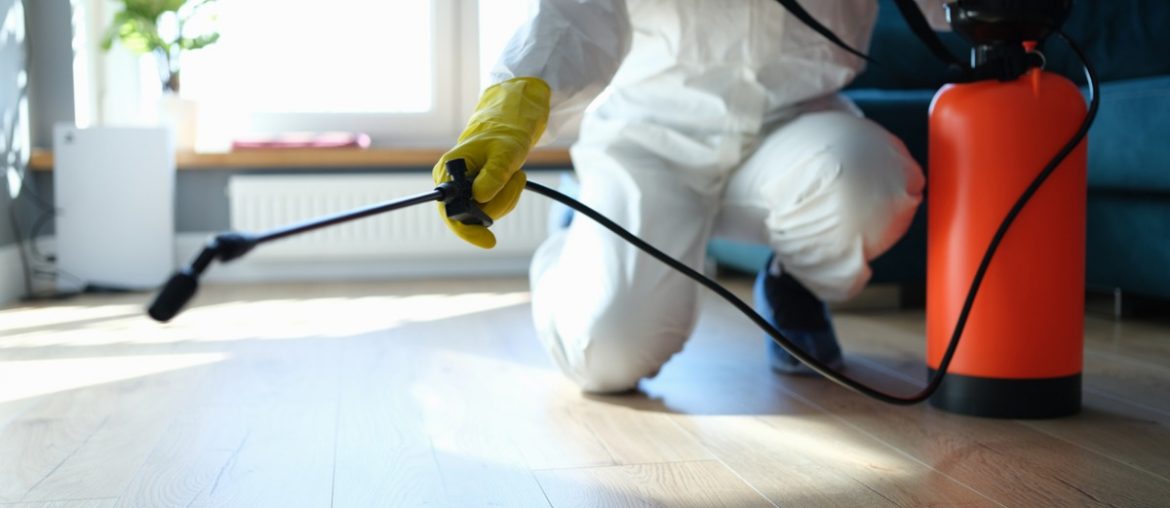
How is the process of fumigation performed?


Fumigation can be defined as the application of chemicals in order to obliterate pests or infestation in a targeted region. It can also kill off potential pests that could prove to be a nuisance. However, this technique can be quite hazardous. For this reason, it is ideal to hand over such responsibilities to licensed experts.

Normally, the fumigation procedure is divided into 4 steps.

  • Assessment: During the first steps of the pest control process, such as the carpenter bee internet control, the specialist attempts to determine the number of infested areas in your house or business, the degree of the infestation as well as being able to manage any potential risks including any pets or plants that require isolating.

  • Preparation: The designated pest control expert prepares the site and people in the last steps. This involves preparing the food and water sources to be fenced off, removing pets and plants from the site and closing off the target zone.

  • Fumigation: The last step can be done where the professional fumigator disperses the fumigant gas within the target zone. Eventually, this gas will ensure that all pests that infest the region are no more.

  • Aeration: What comes next after the procedure is aeration a step that is talking out of the target room, any existing gas that had been applied in the previous steps. It is important to bear in mind that this can last from a couple of hours all the way up to several days.

  • Re-entry: The professional pest control experts will also conduct further examinations that are necessary after the final step as well as the most recommended re-entry of the target area. The time re-entry will only come after most of the gas elements have been eliminated through aeration.

Most importantly, it should be remembered that fumigation is an extremely hazardous process. A trained man should be hired for fumigation.


It is worth noting that fumigation is a pretty dangerous procedure. One should also get a professional to conduct fumigation.

Here are a few more tips for fumigation:

  • Hire a licensed and experienced pest control affiliate.

  • Be certain that the firm you are dealing with is licensed and insured.

  • Inquire whether the Association has any fumigation experience.

  • Seek at least three quotations.

  • Go through reviews of the company beforehand.

If you have any doubts regarding fumigation you can always approach the pest control centre.

https://pestcontrolkarachi.com/fumigation-services-in-dha-karachi/#


Comments

Popular posts from this blog

๐Ÿชณ Effective Cockroach Pest Control Tips

  ๐Ÿชณ Effective Cockroach Pest Control Tips Cockroaches are not only unpleasant but also carry bacteria and allergens. Here's how to get rid of them effectively: ๐Ÿงผ 1. Keep Your Home Clean Wipe kitchen counters and floors daily. Store food in sealed containers. Wash dishes promptly and don’t leave pet food out overnight. Take out the trash regularly and keep bins sealed. ๐Ÿ’ง 2. Eliminate Water Sources Fix leaky taps and pipes. Dry sinks, bathtubs, and other wet areas at night. Don’t leave water in pet bowls overnight. ๐Ÿšช 3. Seal Entry Points Block cracks, holes, and crevices with caulk. Install weather stripping and door sweeps. Cover drains and vents with mesh screens. ๐Ÿฝ️ 4. Use Baits and Traps Place gel baits and bait stations in areas where cockroaches hide (under sinks, behind fridges, near stoves). Use sticky traps to monitor activity. ๐Ÿงช 5. Apply Natural Deterrents Sprinkle boric acid or food-grade diatomaceous earth in hidden areas to kill roaches over time. ⚠️ 6. Use Sprays ...

Clean Water. Healthy Life – Book Your Underground Tank Cleaning Today!

When was the last time you cleaned your underground water tank? Most people don’t realize it, but underground water tanks can become breeding grounds for harmful bacteria, algae, and insects. These contaminants silently mix into your water supply — affecting everything from your drinking water to the water used for cooking, bathing, and cleaning. Over time, sludge builds up, foul odors begin to spread, and water safety becomes a serious concern. Even if the water looks clear, it can still contain invisible germs that pose health risks. That’s why regular water tank cleaning is not just a chore — it’s a necessity. ๐Ÿ›ก Why Tank Cleaning is Essential: Removes harmful bacteria and sludge Prevents bad smells and water discoloration Keeps your family safe from waterborne diseases Ensures your water is fresh, clean, and hygienic ๐Ÿ’ง Professional Water Tank Cleaning in Karachi Looking for a reliable service in Karachi? Our team uses modern, chemical-free methods that are safe for drinking water ...

Affordable Water tank cleaning service

  Importance of pure water  As is common knowledge, water is essential to all living things, is regarded as the emblem of life, and is necessary for maintaining good hygiene. Keeping all of this in mind, you can see that while the water must be clear and clean, the location where the water is kept also needs to be clean. This is because, when it comes to the water we store, we frequently make mistakes that result in the location needing to be clearer and cleaner or adhering to hygienic regulations. Therefore, we must recognize this and demonstrate effective performance to address it. To live a disease-free life since contaminated water can lead to the spread of many illnesses, including cholera, dysentery, diarrhea, hepatitis A, typhoid, and polio. Insufficient and lacking for us. How to clean the water tank?  Here's a summary of an easy at-home water tank cleaning procedure: Before starting: First and foremost, safety! Put on a mask, gloves, and safety glasses to keep yo...